[UPDATE] 10 Mistakes Executors Make And How To Avoid Them
#2 Probating the Wrong Will
Executors Must Verify That They Have The Right Document
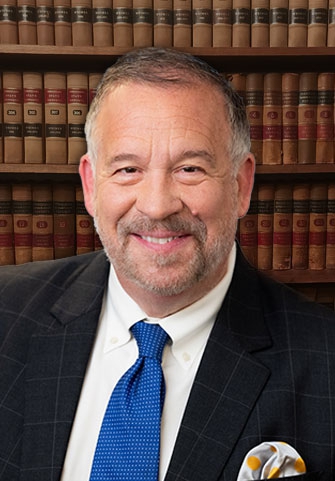
Listen in as probate, trusts and estates lawyer David M. Frees III dicusses the mistakes executors make with several bank trust officers.
Dave Frees: I would say one of the things that executors do quite often and early in an administration is to make distributions too early and without protecting himself or herself from liability for that distribution. And, if you've probated the wrong will, or you have an earlier version of a trust that has been ammended or revoced, you could be giving the money (the distribution) to the wrong person.
So, first, you need to be careful in searching for the documents. You cannot stop at the fisrt document that you find. If the document is dated, and prepares by an attorney, it's a great practice to contact the attorney and to verify 1) that the attorney continued to represent the decedent, and that the document was not ammended or revoked.
If there was a long gap since the execution of the document, be sure to continue your physical search of safe deposit boxes, important files, and fireproff storage.
And this is something all of you listening in that who are executors or expect to be executors or trustees, put a big star by this one because this can cost you money.
You can be personally liable for this. You have to make sure that you have excercised reasonable efforts to identify and to verify that the document you're using was the last will or the final version of the trust.
When you are an executor or a trustee and you get money, there is also some common wisdom out there, especially if you have a trust, that you just get the money and give it out, and that you do not need to worry about any probate, you do not need to worry about any court process, and you do not need to worry about taxes.
But, in Pennsylvania, that is wrong.
When executors or trustees make distributions before they have done all the other things they are supposed to do, these are legally known as “at risk distributions”, and guess who is at risk?
The executor or the trustee is personally at risk.
So I will give you a real world example.
You find out that Aunt Susan has passed away. You gather together all of her assets. You sell her house and find out you have a pool of $400,000 and you and your sister are the beneficiaries. You give your sister and yourself the money. Then you find out that you owe an inheritance tax liability, and you thought because you were a trustee, and it was not subject to probate, that you did not know the inheritance tax, but you now do.
You go to your sister, and say “Hey, I need $50,000 of that money back,” and she says “Forget about it.”
What are you going to do because you’re liable to the state and you’re liable to those creditors? So you have to go through the process meticulously and you have to make sure that 1) you're using the right document, 2) you have paid all the creditors that can assert claims (and in the right order of priority) 3) that you have to make sure you have done everything right before you give the money out and 4) that you either do an accounting and/or a Family Settlement Agreement when you make distribusions.
That does not mean that you cannot give some money out in the mean time, but you better have a document that makes that person promise to give it back and you better make darned sure that you are distributing under the right document to the right person and not so much that you are going to be stuck without the money to pay off expenses that may occur.
Trust Officer: David, is there a name for that document that you, if you want someone, if you make the distribution and you want the money to come back?
Dave Frees: Sometimes you see them called refund agreements, sometimes you see them called receipt release and indemnification agreements or preliminary family settlement agreements.
Basically this is another way that we can make distributions without having to go to court.
We can sit down as a family and say, everybody’s getting $50,000, everybody’s getting $100,000, everybody’s getting $200,000, whatever the number is, and I as an executor am willing to make a distribution to you of half or a third, and you’re willing to take that, but in return for that, everyone’s going to agree that if we’ve miscalculated something, you are going to pay your pro-rata share back.
Now I always caution executors and trustees that there is a big difference between having the right to get it back and getting it back, because the people take their inheritance and they buy boats.
So when you try to get the money back it might be hard. It is certainly better than not having that kind of arrangement.
So I would say first, failure to probate the correct document, second, giving the money out immediately or way to early before you have found out all of the other things you have got to do in this case. That could get you into big, big trouble.
David M. Frees III Esq.
TO REACH DAVID or HIS TEAM CALL 610-933-8069
MORE ON EXECUTOR MISTAKES
https://www.paestateplanners.com/library/mistakes-pa-executors-make-3-of-10-failure-to-comply-with-requirements.cfm
2009-02-162009-02-16